
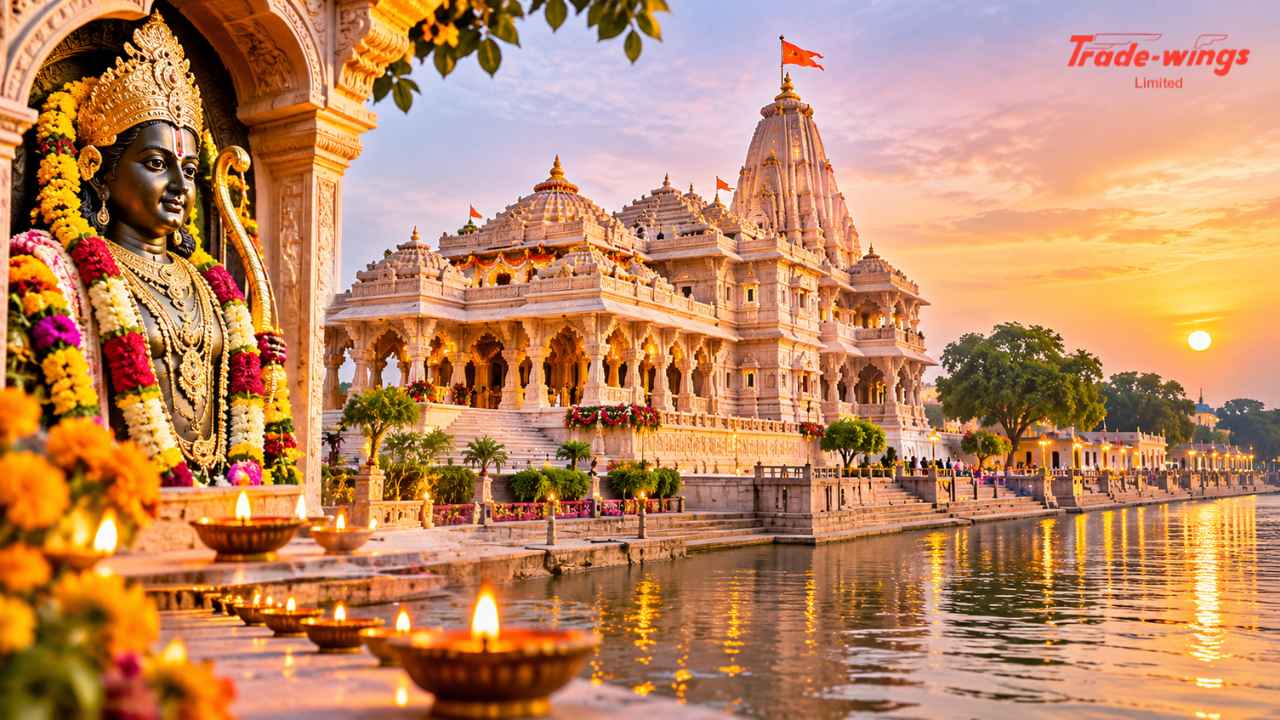
Ayodhya Travel Guide: Explore Sacred Temples, Serene Ghats and Timeless Stories of Ram Nagari
Imagine beginning your morning in a city where temple bells echo through narrow streets, the fragrance of incense fills the air and devotees make their way towards ancient shrines. As the first rays of sunlight touch the sacred Saryu River, priests prepare for morning rituals while the city slowly comes alive with prayers and devotional songs.
Welcome to Ayodhya, one of India’s most revered spiritual destinations and the birthplace of Lord Rama.
Popularly known as Ram Nagari, Ayodhya holds a special place in India’s religious, cultural and historical heritage. Its association with the Ramayana, ancient temples, sacred riverfronts and centuries-old traditions makes it an important pilgrimage destination for devotees and an interesting cultural destination for travellers.
The inauguration of the magnificent Shri Ram Mandir in January 2024 brought renewed attention to Ayodhya, attracting pilgrims from across India and around the world. Improved roads, visitor facilities and transport connectivity have also contributed to the city’s development as a major spiritual tourism destination.
From seeking blessings at Ram Janmabhoomi and visiting Hanuman Garhi to witnessing the mesmerising Saryu Aarti, exploring traditional markets and enjoying authentic Awadhi food, Ayodhya offers experiences that go beyond conventional sightseeing.
Whether you are planning a family pilgrimage, a spiritual getaway or a longer religious journey covering multiple destinations, this Ayodhya travel guide will help you discover the city’s most significant attractions, traditions and travel experiences.
If you are planning a pilgrimage, exploring Ayodhya tour packages can also make your journey more convenient by bringing together transportation, accommodation and sightseeing arrangements.
Why Is Ayodhya an Important Spiritual Destination in India?
Ayodhya is one of the seven sacred cities traditionally associated with Hindu religious beliefs. It is revered as the birthplace of Lord Rama, the central figure of the Ramayana and an important symbol of righteousness, courage and devotion.
The city’s spiritual significance extends beyond its temples. Its sacred ghats, religious institutions, traditional festivals and association with the Ramayana create an atmosphere deeply connected with India’s cultural identity.
For devotees, Ayodhya represents an opportunity to seek blessings and reconnect with their faith. For history enthusiasts, it offers an opportunity to understand India’s religious traditions and architectural heritage. For other travellers, the city provides a glimpse into the living culture of one of the country’s most important pilgrimage centres.
The combination of ancient religious traditions and modern infrastructure makes Ayodhya an increasingly important destination for domestic spiritual tourism.
1. Shri Ram Mandir: Experience the Spiritual Heart of Ayodhya
For most visitors, a journey to Ayodhya begins with Shri Ram Mandir, also known as Ram Janmabhoomi.
Dedicated to Lord Rama, the magnificent temple has become the spiritual centrepiece of the city and one of India’s most significant pilgrimage destinations.
Built in the traditional Nagara architectural style, the temple is known for its intricately carved pillars, detailed stonework and impressive architectural design. Every element reflects the craftsmanship and traditions associated with Indian temple architecture.
However, the experience of visiting Ram Mandir extends beyond its architecture.
Watching devotees wait for darshan, hearing devotional chants and seeing families come together to seek blessings creates an atmosphere filled with faith and emotion. For many devotees, visiting the temple is the fulfilment of a lifelong spiritual aspiration.
Visitors should check the latest darshan timings, entry arrangements and security instructions before their visit. Photography, mobile phones, electronic devices and certain personal belongings may be restricted within designated areas. Following the official temple guidelines helps ensure a smooth pilgrimage experience.
Travel tip: Allow sufficient time for security procedures and queues, particularly during weekends, festivals and major religious occasions.
2. Hanuman Garhi: Seek the Blessings of Lord Hanuman
A visit to Ayodhya is often considered incomplete without seeking blessings at Hanuman Garhi.
Dedicated to Lord Hanuman, this prominent temple is situated on an elevated location and is traditionally accessed by climbing approximately 76 steps.
According to local religious tradition, devotees visit Hanuman Garhi before proceeding to Ram Mandir. The temple is associated with the belief that Lord Hanuman protects Ayodhya and watches over the sacred city.
As you climb the steps, you will notice devotees chanting prayers, families carrying flowers and sweets as offerings, and local shops selling religious souvenirs.
The temple is especially popular among devotees who believe that seeking Hanuman’s blessings brings courage, strength and protection.
Beyond its religious importance, Hanuman Garhi also provides an opportunity to understand the customs and traditions followed by pilgrims visiting Ayodhya.
3. Kanak Bhawan: Discover the Beautiful Story of Rama and Sita
Located within Ayodhya’s sacred landscape, Kanak Bhawan offers a more intimate glimpse into the city’s devotional traditions.
Often referred to as the House of Gold, this beautiful temple is dedicated to Lord Rama and Goddess Sita.
According to popular belief, Kaikeyi gifted the palace to Sita after her marriage to Lord Rama. The temple is recognised for its ornate architecture, colourful decorations and beautifully adorned idols of the divine couple.
Unlike the grandeur of Ram Mandir, Kanak Bhawan offers a comparatively intimate devotional atmosphere. Visitors can spend time offering prayers, listening to devotional music and appreciating the stories associated with Rama and Sita.
The temple beautifully brings together mythology, faith and architectural heritage, making it an important destination during an Ayodhya pilgrimage.
4. Nageshwarnath Temple and Sita Ki Rasoi: Explore Ayodhya’s Ancient Traditions
Ayodhya is home to several smaller temples and religious sites that reveal different aspects of its spiritual heritage.
Shree Nageshwarnath Temple is an ancient shrine dedicated to Lord Shiva, located near Ram Ki Paidi. Local traditions associate its origin with Kush, the son of Lord Rama.
Its location close to the Saryu riverfront makes it a meaningful addition to a temple sightseeing itinerary.
Another interesting religious site is Sita Ki Rasoi, traditionally presented as the symbolic kitchen of Goddess Sita. The site reflects the way stories and everyday cultural imagery associated with the Ramayana continue to shape Ayodhya’s devotional traditions.
Beyond these well-known places, the city has numerous smaller shrines, ashrams and religious establishments. Exploring them offers a deeper understanding of how faith influences everyday life in Ram Nagari.
5. Ram Ki Paidi and Saryu Ghat: Witness the Spiritual Beauty of the Sacred River
If Ayodhya’s temples represent its spiritual heart, the Saryu River represents its peaceful soul.
Ram Ki Paidi is among the city’s most recognisable riverfront attractions. This series of bathing ghats attracts devotees who visit to perform religious rituals, take sacred dips and offer prayers.
The beautifully maintained steps and surrounding architecture create a striking setting, particularly during the early morning and evening hours.
Saryu Ghat and Naya Sarayu Ghat are also important locations for religious activities. Early mornings are especially peaceful, as devotees gather for ritual bathing and priests perform traditional ceremonies.
However, one of the most memorable experiences in Ayodhya is witnessing the Saryu Aarti.
As evening approaches, the riverbanks come alive with devotional chants, ringing bells and the glow of multi-tiered brass lamps. The reflections of the lamps across the flowing river create a beautiful spiritual atmosphere.
Visitors can also explore the river from a different perspective through locally available boat rides, subject to operating conditions and safety arrangements.
For travellers looking for a quieter experience, Guptar Ghat is worth visiting. Located away from the central pilgrimage area, this historic ghat is associated with the belief that Lord Rama took Jal Samadhi here before departing from his earthly life.
Its peaceful surroundings offer an opportunity to spend time reflecting and enjoying the beauty of the river.
6. Ram Path and Local Markets: Experience Everyday Life in Ayodhya
Ayodhya is not just about visiting famous temples and taking photographs. Some of its most memorable experiences come from simply exploring the city.
Ram Path is an important route connecting several prominent areas and religious destinations. Walking along its surroundings or exploring the route by e-rickshaw allows visitors to experience the city’s changing landscape.
You will find shops selling religious souvenirs, traditional handicrafts, brass idols, flowers and devotional items.
Local markets offer an opportunity to interact with shopkeepers, discover regional products and take home something meaningful from your pilgrimage.
Cultural attractions such as Tulsi Smarak Bhawan, dedicated to the celebrated poet-saint Tulsidas, provide another dimension to the journey. The Ram Katha Museum is also worth considering for visitors interested in the artistic and historical traditions associated with the Ramayana.
These experiences allow travellers to appreciate Ayodhya beyond its major temples.
7. Taste the Traditional Flavours of Ayodhya
A memorable pilgrimage is not complete without experiencing the local food.
Ayodhya offers a variety of traditional vegetarian dishes that reflect the food culture of Uttar Pradesh.
Begin your morning with hot kachori-sabzi, a popular breakfast combination that is particularly satisfying during cooler months. If you enjoy traditional Indian sweets, dahi jalebi offers a delicious combination of crispy sweetness and refreshing curd.
Fresh lassi is another popular choice, especially after a long morning of temple visits.
Local eateries and sweet shops also serve traditional snacks and regional preparations. Since Ayodhya is an important religious destination, vegetarian food is widely available.
Rather than rushing through your meals, take some time to explore local eateries. Sometimes, enjoying a hot breakfast at a neighbourhood shop and listening to conversations around you becomes one of the most enjoyable parts of travelling.
8. Festivals in Ayodhya: Experience the City During Its Most Celebrated Occasions
Ayodhya’s religious calendar is filled with festivals and celebrations that bring the city together through devotion, rituals and cultural activities.
Two of the most important occasions are Deepotsav and Ram Navami.
Deepotsav: The Festival of Lights
Celebrated around Diwali, Deepotsav transforms Ayodhya into a spectacular landscape of illuminated earthen lamps.
The celebrations include cultural performances, religious ceremonies and elaborate decorations across important locations in the city. The sight of thousands of diyas illuminating the riverfront is among the most memorable festive experiences in India.
Ram Navami: Celebrating the Birth of Lord Rama
Ram Navami commemorates the birth of Lord Rama and holds immense religious significance in Ayodhya.
Temples organise special prayers, devotional programmes and religious celebrations. Large numbers of devotees visit the city to participate in the festivities and seek blessings.
These festivals offer an opportunity to experience Ayodhya’s spiritual traditions at their most vibrant. However, they also attract substantial crowds. Visitors planning a trip during these periods should arrange accommodation and transportation well in advance.
9. Best Time to Visit Ayodhya: Weather, Festivals and Travel Planning
The period between October and March is generally considered one of the most comfortable times to visit Ayodhya.
During these months, relatively pleasant weather makes it easier to explore temples, walk through the city and spend time along the Saryu riverfront.
October and November are particularly interesting for travellers who want to experience the festive atmosphere around Deepotsav.
December and January bring cooler weather, making early morning and evening temple visits more comfortable with appropriate winter clothing.
February and March are also suitable for pilgrimage and sightseeing, although festival dates and crowd conditions should be considered.
Summer months can be considerably hot, so travellers visiting during this period should plan outdoor sightseeing carefully, carry sufficient drinking water and avoid prolonged exposure to the afternoon sun.
Important: Festival dates, temple schedules and visitor arrangements can change. Check current official announcements before finalising your travel itinerary.
10. How to Reach Ayodhya: Flights, Trains and Road Connectivity
Ayodhya has become increasingly accessible to travellers from different parts of India through improvements in its transport infrastructure.
By Air
Maharishi Valmiki International Airport, Ayodhya Dham, serves the city and offers air connectivity through available flight services. The airport is approximately 8–9 kilometres from central areas of Ayodhya, depending on the specific destination.
Travellers should check current flight schedules, routes and availability before booking.
By Train
Ayodhya Dham Junction is an important railway station serving pilgrims and tourists. The city is connected by rail with several destinations across India.
Train travel can be a convenient option for families and pilgrims travelling from different parts of the country.
By Road
Ayodhya is accessible by road from nearby cities such as Lucknow and Varanasi. Travellers can use private vehicles, taxis and available bus services depending on their starting location.
Local Transportation
Within Ayodhya, visitors can use taxis, auto-rickshaws and e-rickshaws to travel between temples, ghats and other attractions.
Since several important religious destinations are located relatively close to each other, combining walking with local transportation can make sightseeing easier.
11. How Many Days Are Enough to Explore Ayodhya?
A two-day itinerary is generally suitable for covering Ayodhya’s major religious attractions at a comfortable pace. Travellers who want to explore additional temples, museums, local markets and nearby destinations can consider staying longer.
Day 1: Explore Ayodhya’s Major Temples
Begin with Shri Ram Mandir, followed by Hanuman Garhi and Kanak Bhawan. Explore nearby temples and religious sites before spending the evening at Ram Ki Paidi to witness the Saryu Aarti.
Day 2: Discover the City’s Cultural and Riverside Attractions
Visit Nageshwarnath Temple, Sita Ki Rasoi and other religious sites. Explore Ram Path, local markets and cultural attractions such as Tulsi Smarak Bhawan. If time permits, visit Guptar Ghat for a quieter riverside experience.
This itinerary can be adjusted depending on temple queues, festival schedules, travel arrangements and personal preferences.
For senior citizens and families with children, allowing additional time between sightseeing locations can make the pilgrimage more comfortable.
12. Extend Your Spiritual Journey: Explore Varanasi Along with Ayodhya
For travellers interested in India’s spiritual heritage, combining Ayodhya with Varanasi can create a meaningful pilgrimage experience.
While Ayodhya is closely associated with Lord Rama and the Ramayana, Varanasi is one of the most important sacred cities associated with Lord Shiva.
Located along the banks of the River Ganga, Varanasi is famous for its ancient temples, historic ghats, traditional rituals and vibrant cultural atmosphere.
Some of the most important attractions in Varanasi include:
Kashi Vishwanath Temple: One of the most revered temples dedicated to Lord Shiva and a major pilgrimage destination.
Dashashwamedh Ghat: Famous for its spectacular Ganga Aarti, which attracts devotees and visitors every evening.
Assi Ghat: A popular riverside destination where visitors can experience morning rituals, yoga and the peaceful atmosphere of the Ganga.
Sarnath: An important Buddhist pilgrimage site where Gautama Buddha is traditionally believed to have delivered his first sermon after attaining enlightenment.
Manikarnika Ghat: One of Varanasi’s most historically and spiritually significant cremation ghats, associated with Hindu traditions concerning life, death and liberation.
An Ayodhya–Varanasi itinerary allows travellers to experience two distinct yet deeply connected dimensions of India’s spiritual landscape.
If you are planning this journey, exploring Ayodhya tour packages along with the best Varanasi tour packages can help you organise transportation, accommodation and sightseeing across both destinations.
A combined itinerary can be particularly convenient for families, senior citizens and pilgrims travelling from cities such as Pune, Mumbai, Bengaluru and other parts of India.
Travel Tips for a Comfortable Ayodhya Pilgrimage
A little preparation can make a significant difference to your pilgrimage experience.
Before travelling, check the latest Ram Mandir darshan timings, entry procedures and security restrictions. Carry only permitted belongings and allow sufficient time for security checks.
Choose accommodation based on proximity to your preferred temples, transport facilities and personal comfort requirements. During festivals and peak pilgrimage periods, hotel availability can become limited.
Wear comfortable footwear, as visiting multiple temples and ghats may involve considerable walking. Carry suitable clothing according to the season, particularly during winter mornings and evenings.
Respect local religious customs, follow temple instructions and maintain cleanliness around sacred sites.
Families travelling with senior citizens should consider transport arrangements and walking distances while planning the itinerary.
Most importantly, avoid scheduling too many attractions in a single day. A pilgrimage should leave enough time for prayer, reflection and experiencing the city’s atmosphere.
Plan Your Spiritual Journey with Trade Wings Limited
A meaningful pilgrimage begins with choosing the right destination, but a well-organised travel plan makes the entire experience more comfortable.
From selecting suitable accommodation and arranging transportation to planning temple visits and coordinating multiple destinations, there are several details to consider when organising a religious holiday.
Travellers looking for professionally organised Ayodhya tour packages can explore travel assistance through Trade Wings Limited.
Established in 1949, Trade Wings Limited has a long-standing presence in India’s travel industry and offers a range of travel-related services, including domestic and international holidays, flight bookings, hotel arrangements, visa assistance and foreign exchange services.
Whether you are planning a family pilgrimage, a journey with senior citizens or a longer spiritual itinerary covering Ayodhya and Varanasi, having an experienced travel partner can simplify the planning process.
Travellers from Maharashtra searching for the best travel agency in Pune can also explore Trade Wings Limited’s travel services for assistance with domestic pilgrimage arrangements and other holiday requirements.
If you wish to extend your journey beyond Ayodhya, you can explore the best Varanasi tour packages and consider combining both destinations in one itinerary.
Visit www.tradewingstravel.com to explore travel options and plan your next journey.
Ayodhya: A Journey Beyond Temples and Sightseeing
As evening settles over Ayodhya, the sound of temple bells blends with devotional songs. Along the Saryu River, lamps begin to glow, devotees fold their hands in prayer and the city takes on an atmosphere of peace and devotion.
Perhaps that is what makes Ayodhya so special.
It is not simply a destination where you visit temples, take photographs and return home. It is a city where stories passed down through generations continue to shape people’s lives.
You may remember the grandeur of Ram Mandir, the steps of Hanuman Garhi, the beauty of Kanak Bhawan or the peaceful reflections of the Saryu Aarti.
But you may also remember the smaller moments: a stranger helping you find your way, a warm plate of kachori-sabzi after an early morning visit or a quiet moment spent watching the river flow at sunset.
Whether you arrive as a devotee, a history enthusiast or a curious traveller, Ayodhya welcomes you with an experience that brings together faith, culture and human emotions.
Some journeys introduce you to a new place. Others leave you with a feeling that stays long after you have returned home.
A journey through Ram Nagari can be one of those experiences.
FAQs: Planning an Ayodhya Pilgrimage
1. Why is Ayodhya famous among Hindu pilgrims?
Ayodhya is famous as the birthplace of Lord Rama and holds immense religious significance in Hinduism. It is associated with the Ramayana and is home to important pilgrimage sites such as Shri Ram Mandir, Hanuman Garhi, Kanak Bhawan and several sacred ghats along the Saryu River.
2. What are the best places to visit in Ayodhya?
The best places to visit in Ayodhya include Shri Ram Mandir, Hanuman Garhi, Kanak Bhawan, Nageshwarnath Temple, Sita Ki Rasoi, Ram Ki Paidi, Saryu Ghat, Guptar Ghat and Tulsi Smarak Bhawan.
3. How many days are required to explore Ayodhya?
Two days are generally sufficient to visit Ayodhya’s major temples, ghats and cultural attractions. Travellers who want to explore nearby destinations or experience the city during festivals can plan a longer stay.
4. What is the best time to visit Ayodhya?
October to March is generally considered the best time to visit Ayodhya because of relatively comfortable weather. Deepotsav around Diwali and Ram Navami are particularly popular occasions for experiencing the city’s religious celebrations.
5. How can I reach Ayodhya from Pune?
Travellers from Pune can reach Ayodhya through available flight connections, railway services or road and rail combinations. Flight availability and schedules should be checked before planning the journey. A travel agency can assist with coordinating flights, accommodation and local transportation.
6. What is the significance of Saryu Aarti in Ayodhya?
Saryu Aarti is an important religious ritual performed along the banks of the sacred Saryu River. Devotees gather to offer prayers while priests perform rituals using illuminated lamps, accompanied by devotional chants and bells. It is one of the most memorable spiritual experiences in Ayodhya.
7. Can Ayodhya and Varanasi be covered in one trip?
Yes. Ayodhya and Varanasi can be combined in one pilgrimage itinerary. Visitors can explore Ram Mandir and other sacred places in Ayodhya before travelling to Varanasi to visit Kashi Vishwanath Temple, Dashashwamedh Ghat and other important attractions.
8. How can I book Ayodhya tour packages?
You can explore Ayodhya tour packages through an established travel agency offering transportation, accommodation, sightseeing and customised itinerary planning. Compare package inclusions, travel dates and cancellation policies before confirming your booking.
9. Where can I find the best Varanasi tour packages?
Travellers can explore the best Varanasi tour packages through travel companies offering organised pilgrimage itineraries, hotel arrangements, transportation and sightseeing assistance. Combining Varanasi with Ayodhya is another option for travellers planning a longer spiritual journey.
10. Why choose Trade Wings Limited for pilgrimage travel planning?
Trade Wings Limited, established in 1949, offers domestic and international travel services, including holiday planning, flight bookings, hotel arrangements, visa assistance and foreign exchange services. Travellers can explore its services for planning domestic pilgrimage journeys and customised holidays.
11. What should I wear when visiting temples in Ayodhya?
Visitors should wear comfortable and respectful clothing suitable for religious places. Comfortable footwear is recommended because temple visits and sightseeing may involve considerable walking. Follow the specific dress and security instructions issued by individual temple authorities.