
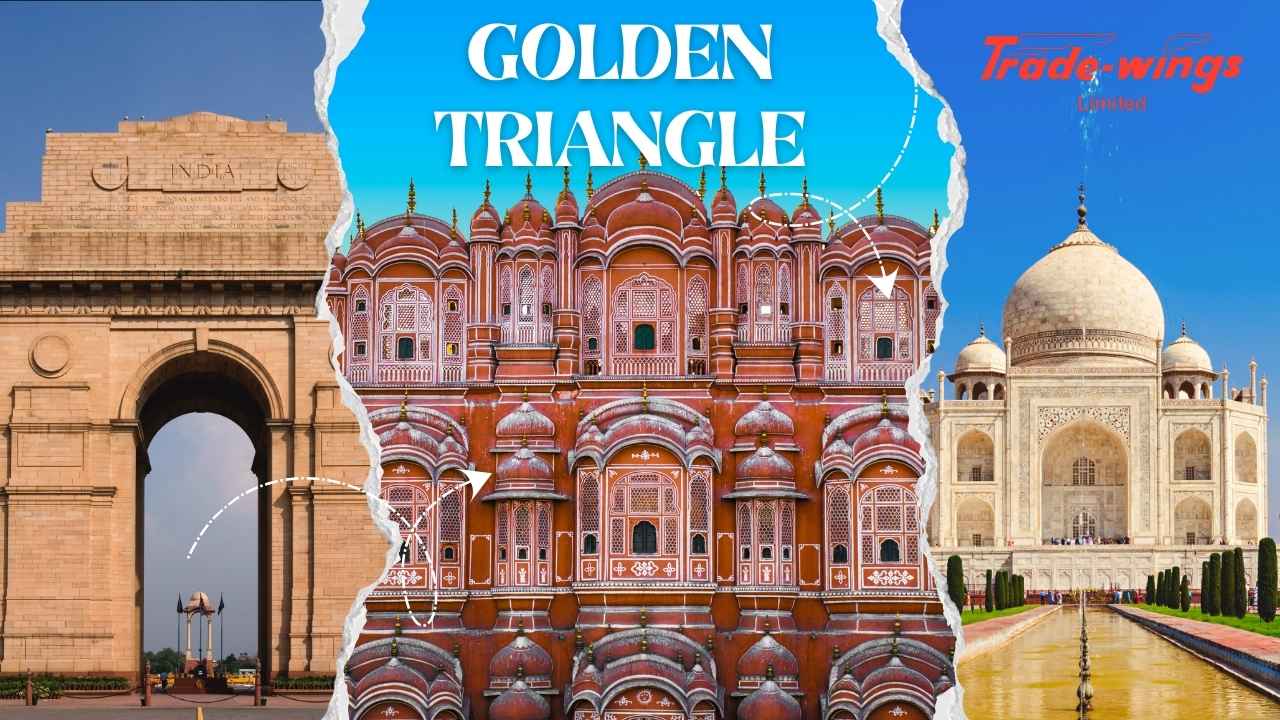
Golden Triangle of India: A Timeless Journey Through Delhi, Agra and Jaipur
Explore the Golden Triangle of India covering Delhi, Agra and Jaipur. Discover history, culture, food, best time to visit and travel tips in this complete guide. The Golden Triangle of India is more than just a travel circuit—it is a journey through time, culture, architecture, and living traditions that define the soul of the country. Connecting three of North India’s most iconic cities—Delhi, Agra, and Jaipur—this route forms a triangle on the map and offers an immersive experience of India’s royal past, Mughal grandeur, and vibrant present. For first-time visitors and seasoned travellers alike, the Golden Triangle of India remains one of the most rewarding and culturally rich travel experiences in the world.
This legendary route introduces travellers to contrasting yet complementary destinations. Delhi reflects centuries of power shifts and modern dynamism, Agra stands as a symbol of eternal love and architectural brilliance, while Jaipur showcases regal splendour and colourful Rajasthani traditions. Together, they form a seamless narrative of India’s historical evolution.
Delhi: Where Ancient History Meets Modern India
Any exploration of the Golden Triangle of India begins in Delhi, the capital city that has been continuously inhabited for over a thousand years. Delhi is a fascinating blend of old-world charm and contemporary energy. From ancient forts to modern skyscrapers, from bustling bazaars to tree-lined avenues, the city offers layers of history at every turn.
Old Delhi transports visitors back to the Mughal era with its narrow lanes, heritage havelis, and iconic landmarks. The majestic Red Fort stands as a reminder of imperial rule, while Jama Masjid, one of the largest mosques in India, reflects architectural grandeur and spiritual significance. Walking through Chandni Chowk is an experience in itself, filled with aromas of street food, colourful shops, and the hum of daily life that has remained unchanged for generations.
New Delhi, on the other hand, presents a contrasting image of colonial planning and modern governance. India Gate, Rashtrapati Bhavan, and wide boulevards reflect British-era architecture, while contemporary cafes, art galleries, and shopping hubs highlight the city’s evolving lifestyle. As part of the Golden Triangle of India, Delhi offers an essential introduction to the country’s diverse identity.
Agra: The City of Love and Mughal Grandeur
From Delhi, the journey continues to Agra, a city synonymous with romance, history, and architectural excellence. Agra holds a special place in the Golden Triangle of India due to its unparalleled Mughal heritage and world-renowned monuments.
The Taj Mahal, one of the Seven Wonders of the World, is the crown jewel of Agra. Built by Emperor Shah Jahan in memory of his beloved wife Mumtaz Mahal, this marble masterpiece is a symbol of eternal love and artistic perfection. Watching the Taj Mahal change colours with the rising or setting sun is an unforgettable experience that leaves a lasting impression on every visitor.
Beyond the Taj Mahal, Agra Fort reveals the might and sophistication of the Mughal Empire. This massive red sandstone fort served as a royal residence and administrative centre, offering panoramic views of the Yamuna River and the Taj Mahal itself. Nearby, the tomb of Itimad-ud-Daulah, often referred to as the “Baby Taj,” showcases delicate marble inlay work that influenced later Mughal architecture.
Agra’s charm lies not only in its monuments but also in its local culture. Traditional handicrafts, marble inlay art, and Mughal-inspired cuisine add depth to the experience. As part of the Golden Triangle of India, Agra represents elegance, emotion, and imperial artistry.
Jaipur: The Royal Heart of Rajasthan
The final destination of the Golden Triangle of India is Jaipur, the capital of Rajasthan and a city that radiates royal splendour and vibrant culture. Known as the Pink City due to its distinctive terracotta-coloured buildings, Jaipur offers a rich blend of history, architecture, and local traditions.
Founded in the 18th century by Maharaja Sawai Jai Singh II, Jaipur is one of India’s earliest planned cities. The City Palace, located at the heart of Jaipur, still serves as a royal residence and museum, displaying artefacts, costumes, and artwork that narrate the city’s regal past. Nearby, Jantar Mantar, an astronomical observatory and UNESCO World Heritage Site, showcases
India’s advanced scientific knowledge from centuries ago.
Amber Fort, perched on a hill overlooking Maota Lake, is another highlight of Jaipur. Its grand courtyards, mirror work, and artistic frescoes reflect Rajputana architecture at its finest. The iconic Hawa Mahal, or Palace of Winds, with its intricately carved façade, adds to Jaipur’s distinctive skyline and cultural identity.
Jaipur is also a shopper’s paradise, offering traditional jewellery, textiles, handicrafts, and blue pottery. The city’s colourful markets and warm hospitality make it an integral and unforgettable part of the Golden Triangle of India.
Cultural Diversity Along the Golden Triangle of India
One of the most compelling aspects of the Golden Triangle of India is the cultural diversity experienced over a relatively short distance. Each city has its own language nuances, culinary traditions, architectural styles, and social customs. From Mughlai flavours in Delhi and Agra to the spicy Rajasthani cuisine of Jaipur, food becomes a journey in itself.
Festivals celebrated along this route add another layer of richness. Whether it is Diwali illuminating the streets of Delhi, Holi bringing vibrant colours to Jaipur, or cultural fairs showcasing folk music and dance, the Golden Triangle of India offers travellers a chance to witness India’s living traditions firsthand.
Best Time to Experience the Golden Triangle of India
The ideal time to explore the Golden Triangle of India is between October and March, when the weather is pleasant and suitable for sightseeing. During these months, temperatures are comfortable, making it easier to explore monuments, markets, and outdoor attractions. Summer months can be extremely hot, especially in Jaipur and Agra, while the monsoon season brings occasional heavy rains. However, each season has its own charm, and travellers who prefer fewer crowds may enjoy visiting during shoulder months.
Travel Comfort and Guided
Experiences itineraries, comfortable transportation, and knowledgeable guides enhance the overall experience of the Golden Triangle of India. Reputed travel companies such as Trade Wings Limited offer curated packages for this iconic tour, ensuring seamless travel, quality accommodations, and culturally enriching experiences for travellers seeking both comfort and authenticity.
Why is the Golden Triangle of India so popular among tourists?
The popular of the Golden Triangle of India lies in the diversity it offers within a short travel distance. In just a few days, travellers can explore India’s capital city, witness the world-famous Taj Mahal, and experience the royal lifestyle of Rajasthan. Each city has a distinct identity, yet they complement each other beautifully. The route is well-connected by road, rail, and air, making travel convenient. Additionally, the Golden Triangle of India showcases UNESCO World Heritage Sites, traditional cuisine, local crafts, and centuries-old stories that attract travellers from across the globe.
How many days are ideal for a Golden Triangle of India tour?
A well-paced Golden Triangle of India tour usually requires 5 to 7 days. This duration allows travellers to explore major attractions in Delhi, Agra, and Jaipur without feeling rushed. Those who wish to explore in greater depth, enjoy cultural experiences, or add nearby destinations like Fatehpur Sikri or local villages may extend the trip to 8 or 9 days. The flexibility of tour makes it suitable for both short holidays and extended cultural journeys.
What are the main attractions covered in this tour?
This tour covers some of the most iconic landmarks in the country. In Delhi, travellers explore historic forts, mosques, and modern landmarks that reflect the city’s layered history. Agra is home to the Taj Mahal and other Mughal-era monuments that represent architectural excellence. Jaipur offers majestic forts, palaces, and colourful markets that showcase Rajasthan’s royal heritage. Together, these attractions create a rich and immersive travel experience that defines the Golden Triangle of India.
Is this tour suitable for first-time visitors to India?
Yes, this tour is considered the best introduction for first-time visitors. The route is tourist-friendly, well-developed, and offers a safe and structured travel experience. It introduces travellers to India’s culture, history, cuisine, and daily life in a manageable way. Since English is widely spoken and tourism infrastructure is strong in all three cities, travellers can navigate comfortably while enjoying an authentic Indian experience.</p>
What is the best time to visit the Golden Triangle of India?
The best time to visit the Golden Triangle of India is between October and March, when the weather is pleasant and ideal for sightseeing. During this period, temperatures are moderate, and outdoor exploration becomes comfortable. Summers can be extremely hot, particularly in Jaipur and Agra, while the monsoon season brings humidity and occasional heavy rainfall. However, travellers visiting during off-season months may enjoy fewer crowds and better travel deals.
Is this tour safe for all tourists?
The Golden Triangle tour is generally safe for tourists, especially when travelling with a reputed tour operator or guided package. Like any major tourist destination, travellers should follow basic safety precautions such as being aware of their surroundings, avoiding isolated areas late at night, and safeguarding valuables. Major tourist areas are well-policed, and hospitality services are accustomed to international visitors, making the Golden Triangle of India a comfortable and secure travel experience.
What kind of accommodation is available on the tour route?
This tour offers a wide range of accommodation options to suit different budgets and preferences. Travellers can choose from luxury heritage hotels, boutique properties, mid-range hotels, and budget accommodations. Many hotels in Jaipur are converted palaces that offer a royal living experience, while Delhi and Agra provide modern hotels with international standards. This variety allows travellers to customize their Golden Triangle of India journey according to comfort and budget.
Can the Golden Triangle of India be customized?
Yes, this tour can be easily customised based on travel interests, duration, and budget. Travellers can add cultural experiences, food walks, heritage stays, or nearby destinations to their itinerary. Some prefer a relaxed pace focusing on monuments, while others enjoy immersive cultural interactions. Customisable itineraries allow travellers to experience the Golden Triangle of India in a way that best matches their expectations and travel style.
What kind of food can travellers expect during this tour?
Food is an integral part of the Golden Triangle of India experience. Delhi offers a mix of street food, Mughlai cuisine, and global dining options. Agra is known for rich Mughal flavours and traditional sweets, while Jaipur introduces travellers to authentic Rajasthani dishes known for their bold spices and unique preparation styles. From fine dining to local eateries, the Golden Triangle of India offers a culinary journey as memorable as its monuments.
Is this tour suitable for family travel?</h3>
This tour is highly suitable for families, including children and senior citizens. The route involves minimal long-distance travel and offers comfortable infrastructure. Attractions are educational, culturally enriching, and engaging for all age groups. Many families choose the Golden Triangle of India because it combines learning, leisure, and entertainment in a balanced manner.
How is transportation managed during the Golden Triangle of India tour?
Transportation within this tour is efficient and convenient. The cities are connected by well-maintained highways and fast trains. Most travellers prefer private vehicles or guided tours for comfort and flexibility. Reliable transportation ensures smooth travel between Delhi, Agra, and Jaipur, allowing travellers to focus on enjoying the journey rather than logistics.
Why should travellers choose a guided Golden Triangle of India tour?
A guided India tour enhances the overall experience by providing historical insights, local knowledge, and seamless coordination. Professional guides help travellers understand the cultural and historical significance of monuments and traditions. Travel companies like Trade Wings Limited offer curated Golden Triangle of India packages that ensure comfort, safety, and a well-structured itinerary, making the journey stress-free and enriching.
What makes the Golden Triangle of India a timeless travel experience?
The Golden Triangle of India remains timeless because it captures the essence of India in a single journey. It brings together ancient civilizations, royal legacies, architectural marvels, and living traditions. Every visit offers something new, whether it is a deeper cultural understanding or a fresh perspective on familiar landmarks. This enduring appeal makes the Golden Triangle of India one of the most celebrated travel routes in the world.